The Right Wood for the Right Room: Timber Selection at the Bench
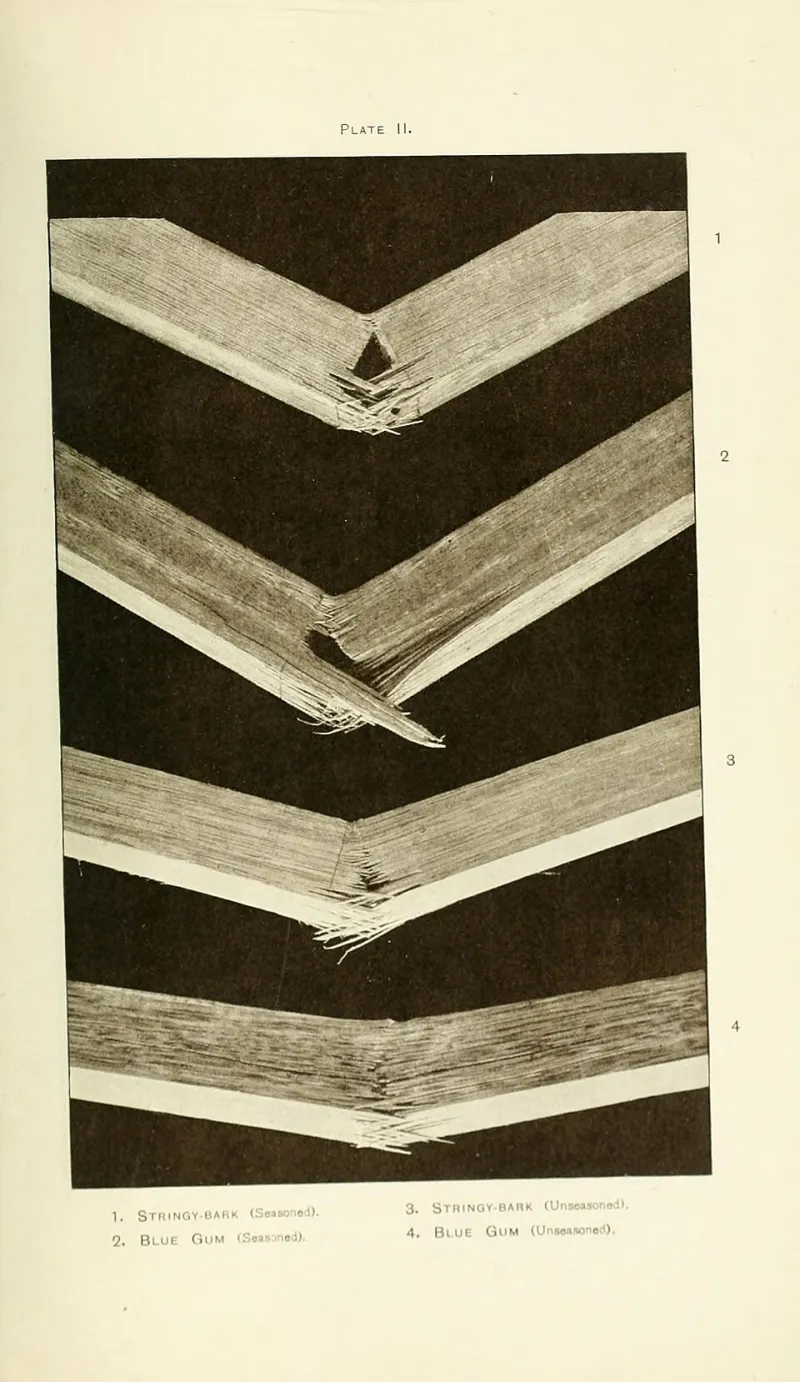
Photo: Internet Archive Book Images, No restrictions, via Wikimedia Commons
Timber selection is often presented as a matter of taste. At the bench, it is more often a matter of behaviour. A sample board in a showroom may show a handsome grain and a flawless finish, but a fitted wardrobe in a heated bedroom, a window seat above a radiator or a kitchen cabinet beside a cooker will ask very different questions of the same wood. At Charmans Joinery, the first conversation about a bespoke piece is rarely about colour alone. It is about where the furniture will sit, how the room is used and what the client expects the timber to do over the next twenty years.
Why the room matters more than the sample
British houses are not uniform. A Victorian terrace with solid walls and suspended floors behaves differently from a modern new-build with high insulation, underfloor heating and tight air permeability. Central heating lowers indoor humidity in winter, and timber responds by shrinking. In summer, open windows and damp weather can push moisture the other way. No joiner can stop that movement, but a good specification can accommodate it. We look at the room, the heating, the light and the intended finish before we recommend a species. A timber that performs well in a painted, north-facing study may be a poor choice for a hard-working family kitchen.
Oak: the dependable heavyweight
European oak is the timber most clients name first, and for good reason. It is hard, durable and widely available with a traceable supply. Its grain is open and emphatic, and its colour settles from a pale biscuit tone to a warmer honey over time. Oak takes a clear finish beautifully, but it is not a chameleon: the grain will always be visible, and its tannins can react with iron, so fixings and hardware need thought. Oak moves more than tulipwood, particularly in wide boards, so we design with movement in mind rather than fighting it. For natural-grain fitted furniture, it remains a sound default in living rooms, studies and boot rooms.
Ash: pale, tough and accommodating
Ash is hard and springy, with a strong, open grain that is less busy than oak but still unmistakably natural. It takes paint and stain well, and it can be used where a pale, clean look is wanted without the knots and resin of pine. American ash is commonly specified, and sustainability credentials should be checked as with any imported species. In a painted finish, ash offers more wear resistance than tulipwood, which makes it useful for family furniture that will see knocks. Left natural, it will yellow slightly with age and exposure to light, so it suits clients who welcome a timber that settles rather than remains frozen at the showroom stage.
Tulipwood: the painter's ally
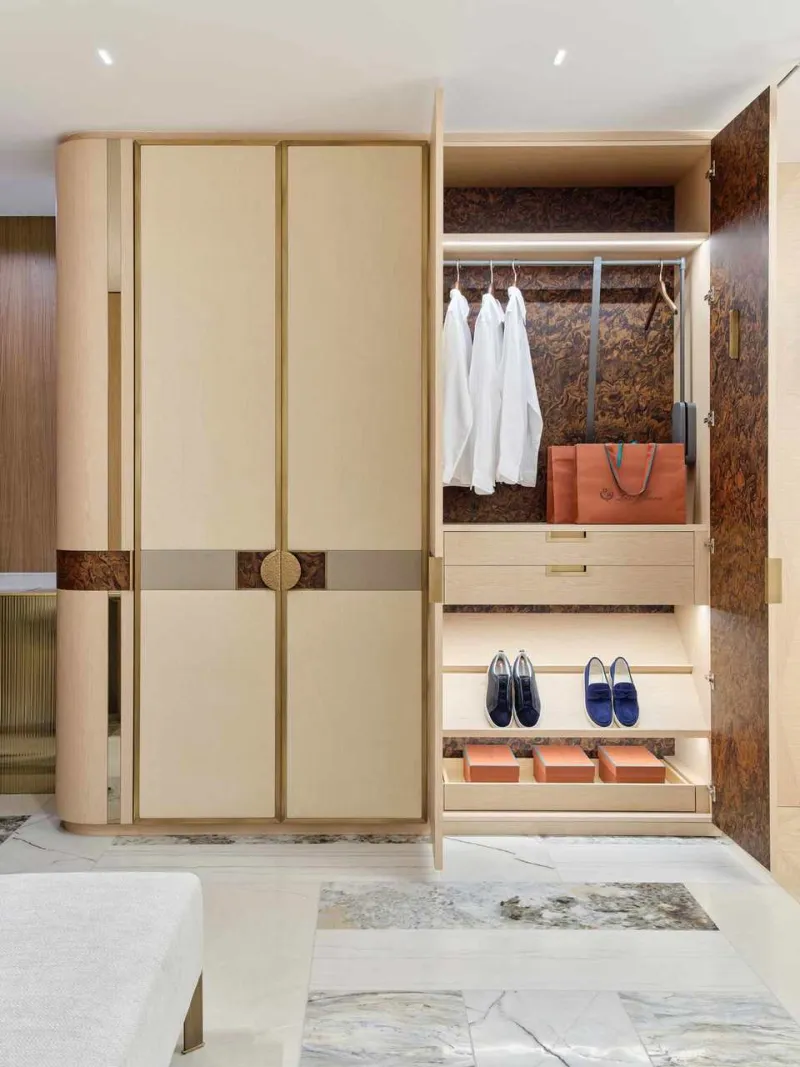
Tulipwood is not the most glamorous name in the workshop, but it is one of the most useful. It is a fine-grained hardwood with good stability, a close texture and a pale colour that takes spray-applied paint exceptionally well. For fitted wardrobes, alcove cupboards and understairs joinery that will be painted, it is often the most sensible choice. It is not as hard as oak or ash, so it is less suitable for a heavily used worktop or a child's desk that will be abused, but for vertical panels and doors it performs admirably. It also machines cleanly, which matters when a door has a delicate moulding or a close-fitting frame. The best specification is not always the hardest timber; it is the one that suits the finish and the function.
Pine: character with caveats
Pine is soft, inexpensive and full of character. Knots, resin pockets and a tendency to dent make it a poor choice for a hard-working kitchen, but it can be charming in a bedroom, a boot room or a period property where a painted, slightly informal look is wanted. It takes paint well if the knots are sealed properly, and it is widely available from managed sources. The mistake is to treat pine as a budget substitute for hardwood in every setting. In a high-traffic area, it will show its age quickly. In the right room, that wear can be part of its appeal.
Walnut: a considered luxury
Walnut is rich, dark and undeniably luxurious. American black walnut is the species most often used in UK bespoke furniture, and its colour and figure can be spectacular. It is softer than oak, so it is not the obvious choice for a family dining table that will be used without care, but it is excellent for statement cabinetry, drawer fronts and interior fittings. Cost is higher, availability is more limited and the grain can be variable, so a sample is essential. Walnut also fades with exposure to strong sunlight, which is worth discussing before it is specified for a sunny room.
Painted or natural? A simple decision guide
If the furniture is to be painted, tulipwood is usually our first recommendation for doors and panels, with ash where extra hardness is needed and pine where budget and character matter more than wear resistance. If the grain is to remain visible, oak is the dependable choice for daily use, ash offers a paler alternative and walnut provides a darker, more formal note. The decision should follow the room: a painted finish can soften a dark hallway, while a natural grain can bring warmth to a plain new-build interior.
| Priority | Sensible starting point | Notes |
|---|---|---|
| Painted fitted wardrobes | Tulipwood | Stable, fine-grained and takes spray finish well |
| Painted family furniture | Ash | Harder wearing than tulipwood |
| Natural-grain living room | Oak | Durable and widely available |
| Pale natural grain | Ash | Will warm slightly with age |
| Dark statement joinery | Walnut | Cost and light exposure need discussion |
| Tight budget, informal room | Pine | Accept dents and resin as part of character |
Sustainability and specification
No timber choice is automatically sustainable because it is natural. Ask for evidence of responsible sourcing, such as FSC or PEFC certification, and expect a joiner to know the chain of custody behind the material. Moisture content matters as much as species: timber should be acclimatised to the workshop and the home before it is machined and finished. A careful finish on all faces, including the backs of doors and panels, helps to slow moisture exchange. These are unglamorous details, but they decide whether a fitted piece stays true in a heated house.
The right answer is room-specific
There is no single best timber for bespoke fitted furniture. Oak earns its keep in hard-working natural-grain joinery; tulipwood earns its keep under paint; ash bridges the two; pine offers character at a lower cost; walnut provides a considered luxury. The useful question is not which timber looks best on a sample board, but which timber will behave best in the room where it will live. That is the conversation we prefer to have at the bench, before the first board is cut.